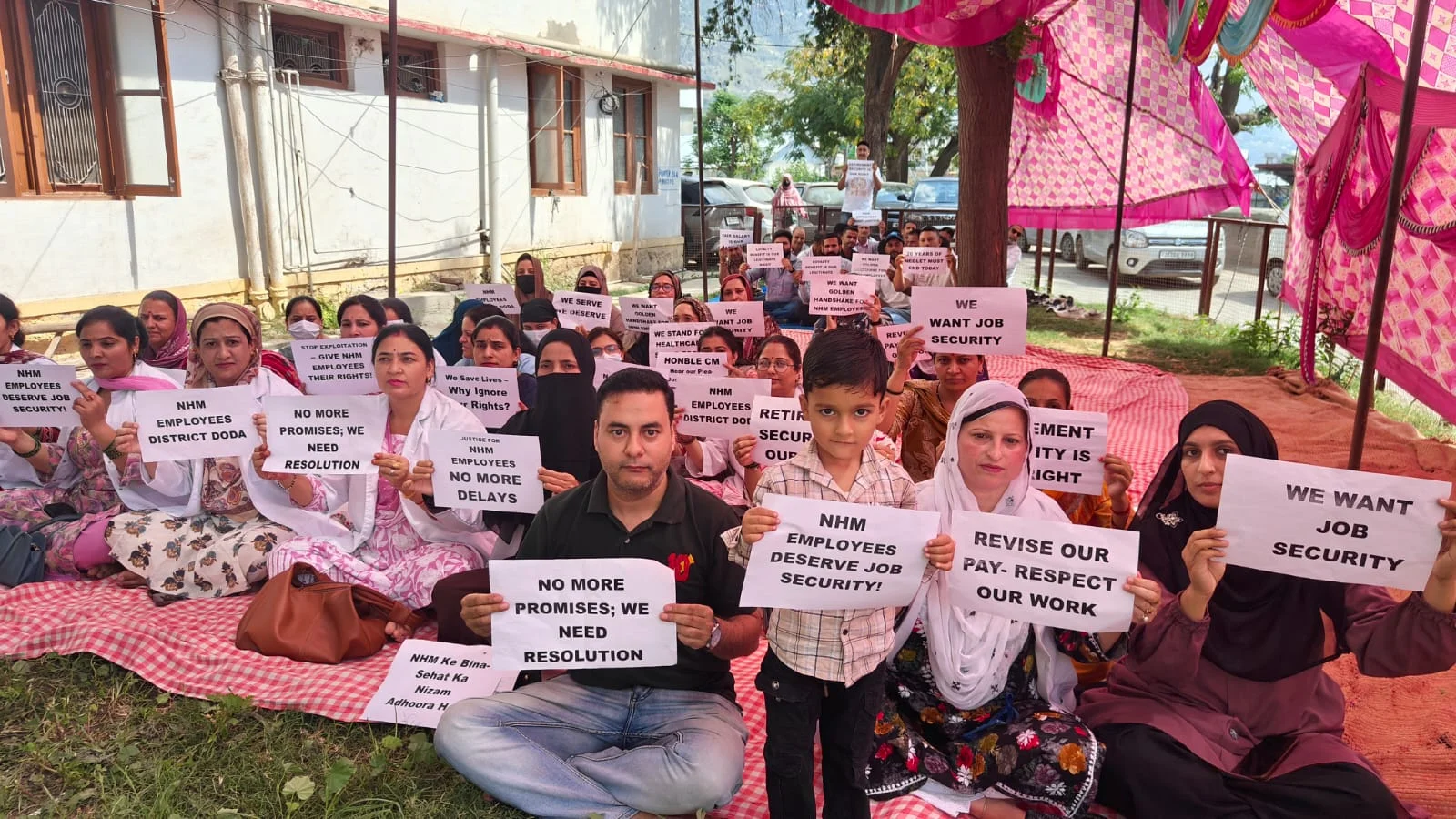
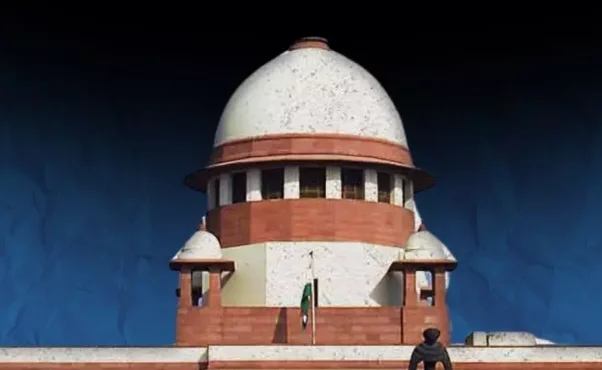
NEW DELHI, Sept 10: The Supreme Court on Thursday agreed to hear a plea seeking a comprehensive national policy and statutory framework for the welfare, social security and post-retirement protection of private school teachers across the country.
A bench of Justices Vikram Nath and Sandeep Mehta issued notices to the Centre, all States and Union Territories and other concerned bodies, including the National Council for Teacher Education (NCTE), seeking their responses.
The bench posted the petition, filed by Kerala-based petitioner Ligimol George through advocate Deepak Prakash, for hearing after four weeks.
The plea has sought directions to the Centre to consider establishing a national private school teachers’ welfare board or another appropriate institutional mechanism to coordinate, implement and monitor uniform welfare measures.
These measures include pension benefits, provident fund and gratuity compliance, along with an effective grievance redressal mechanism for private school teachers.
The petitioner said the matter involves an issue of national importance as there is no comprehensive national framework governing the welfare, social security and post-retirement protection of teachers employed in recognised private educational institutions.
Referring to Ministry of Education data under the Unified District Information System for Education Plus (UDISE+), the plea said India had around 14.72 lakh schools, more than 98 lakh teachers and nearly 24.8 crore students in 2023-24.
It said 37,30,047 teachers were employed in recognised private unaided schools alone, making them a substantial part of the country's teaching workforce.
The plea contended that despite the contribution of private school teachers to the constitutional mandate under Article 21A, there is no dedicated national statutory mechanism addressing their welfare and post-retirement social security.
It said the existing framework was fragmented and largely dependent on varying State laws, institutional practices and contractual arrangements, resulting in disparities in service conditions and welfare benefits.
According to the petition, many private school teachers retire without adequate pensionary benefits, medical assistance or effective social security, despite having served for decades.
The plea also invoked Articles 21 and 21A of the Constitution, arguing that teachers performing an essential public function should not remain without adequate institutional protection after retirement.
It clarified that the petition does not seek interference in the administration of private educational institutions or adjudication of individual service disputes.
Instead, it seeks a uniform national policy and institutional framework to address what it termed a long-standing legislative and administrative gap concerning the welfare and social security of private school teachers.