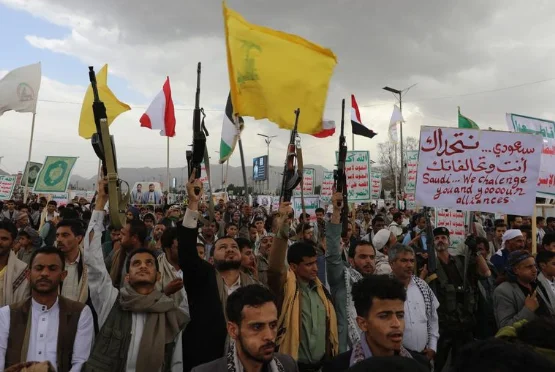
Cairo, Sept 9: Iran-backed fighters in Yemen and Iraq are increasingly coordinating attacks against Saudi Arabia and other US allies in the Gulf, regional officials and experts said, signalling a new phase in Tehran's strategy of expanding the conflict beyond its immediate battlefronts.
In July, Saudi Arabia and the United States carried out airstrikes against Iran-backed militias in Iraq after accusing them of launching drone attacks on Saudi oil facilities. The attacks were claimed by Yemen's Houthi rebels, another Iran-aligned group.
Regional officials told The Associated Press that the Houthis helped Iraqi militias plan and execute the two-day drone assault, indicating a growing level of operational cooperation between the two groups.
Two Saudi officials, citing intelligence, and a senior Iraqi security official said Houthi representatives participated in an operations room operated by Iraqi militias.
Saudi and US airstrikes in response killed at least 20 Iraqi fighters, six Iranian advisers and at least one Houthi official, according to officials. The Houthi death was confirmed by a Houthi official and an Iraqi militia member.
A US military official said Houthis had previously been killed in American strikes in Iraq and warned that Washington was concerned about their presence there and their potential ability to launch attacks against other countries, including Saudi Arabia.
Two officials from Iraq's Popular Mobilisation Forces denied involvement in the Saudi attack and rejected claims that Houthis were operating under the group's authority. The PMF, which is formally part of Iraq's security forces, includes several powerful Iran-backed militias that sometimes operate independently.
All officials spoke on condition of anonymity because they were not authorised to speak publicly. The Houthis did not respond to requests for comment.
Cooperation Deepened During Gaza War
Cooperation between Iraqi militias and the Houthis expanded during the Gaza war, when the groups coordinated attacks against Israel, according to regional and Houthi officials.
Houthi leader Abdel-Malek al-Houthi had previously spoken about a joint operations room involving allied groups.
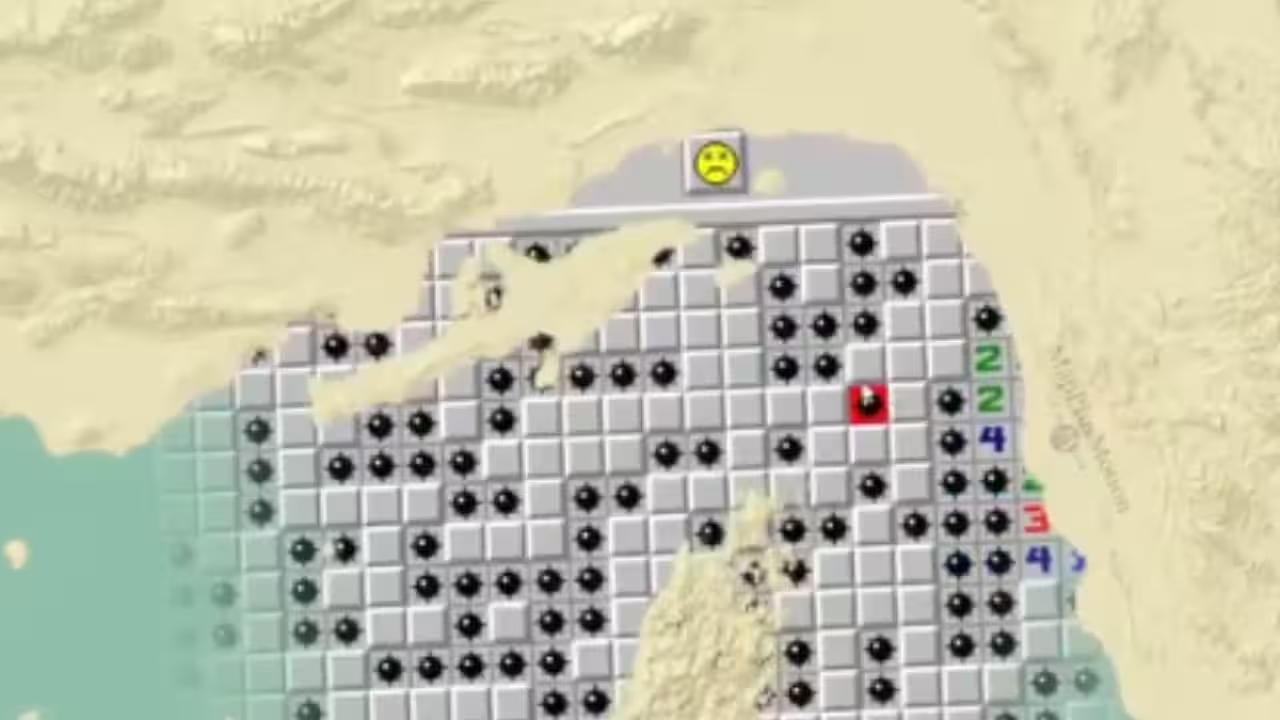
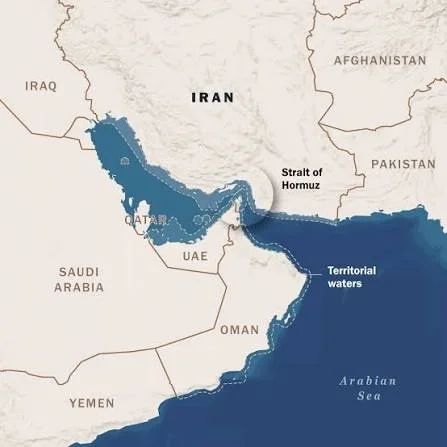
Following the US and Israeli attacks on Iran on February 28, Iran and its allies began targeting Gulf countries in an effort to widen the conflict and increase pressure on major oil producers hosting American military forces.
"Iran has a hybrid strategy in the current war. We are not fighting on one front and we are not using one tool," Mahdi Mohammadi, an adviser to Iran's parliament speaker, wrote on social media in June.
Ahmed Nagi, a senior Yemen analyst at the International Crisis Group, said the Houthis' growing role during the Gaza conflict encouraged Iraqi groups to deepen ties with them.
He said the Houthis subsequently began sharing military expertise with Iraqi militias, describing the emerging strategy as an effort to "squeeze Saudi like with pliers."
Houthi Attacks Increase Pressure on Saudi Arabia
The Houthis declared a blockade on Saudi shipping in the Red Sea a week before the drone swarm attack, threatening another vital trade route at a time when disruptions in the Strait of Hormuz have already affected global markets.
Since late July, the Houthis have launched more than a dozen attacks against Saudi oil facilities and tankers in the Red Sea, according to the Armed Conflict Location & Event Data Project (ACLED).
On Tuesday, the group launched a fresh wave of attacks on oil and other facilities in southern Saudi Arabia, injuring more than 70 people, including women and children, according to Saudi authorities.
ACLED said the Houthi blockade has forced Saudi Arabia to adopt a "dark" shipping policy under which tracking signals on some oil tankers are switched off while they transit the Red Sea.
Saudi Oil Exports in Focus
Saudi Arabia had shifted a significant portion of its oil exports towards the Red Sea after Iran effectively closed the Strait of Hormuz.
As Houthi attacks intensified, the kingdom began routing more oil north towards the Suez Canal and Egypt's SUMED pipeline. Data from global shipping monitor Kpler showed flows through the pipeline rising from around 650,000 barrels per day in June to more than 1.9 million barrels per day in August.
Last month, the Houthis demonstrated that the route was also within their reach by striking a Saudi tanker in the northern Red Sea with a missile. The vessel had reportedly travelled from Yanbu to the Suez Canal, around 1,000 kilometres from Houthi-controlled territory.
Yemen expert Adam Baron of the New America think tank said the Houthis appeared prepared to endure short-term losses in pursuit of longer-term objectives, including expanding their influence along the Red Sea coast.
He warned that the region could be heading back towards full-scale conflict as the United States focuses on Iran and Saudi Arabia remains reluctant to re-enter the Yemen war directly.
Houthis Have Their Own Motives
The Houthis seized Yemen's capital, Sanaa, in 2014. A year later, Saudi Arabia joined forces with Yemen's internationally recognised government in a military campaign against the rebels, fearing the emergence of an Iran-aligned group similar to Hezbollah on its southern border.
The conflict has killed at least 150,000 people, according to UN estimates, and at times pushed Yemen towards famine. A ceasefire that had largely held since 2022 is now under severe strain.
The Saudi-led blockade has put sustained pressure on the Houthis while also worsening conditions for civilians in areas under rebel control.
Yemen expert Elisabeth Kendall of Cambridge University's Girton College said renewed fighting could give the Houthis an opportunity to expand into energy-rich areas of eastern Yemen.
Houthis Possess Advanced Weapons
The Houthis, who control large parts of northern and central Yemen, have for years acquired advanced weapons despite a blockade and a UN arms embargo.
Iran denies supplying weapons to the rebels, but Iranian-made arms have been recovered from battlefields and intercepted shipments.
The Houthis possess an array of cruise and ballistic missiles, drones and unmanned underwater vehicles.
Saudi-backed forces are fighting the rebels on several fronts, including around the strategic port of Hodeida and in Taiz province in western Yemen. The Houthis have also attacked Mokha, the main Red Sea port still controlled by government forces.
Saudi Arabia appears reluctant to launch another direct military campaign against the Houthis. However, Kendall said that if the rebels continue to escalate attacks, Riyadh may eventually be forced to respond decisively.