
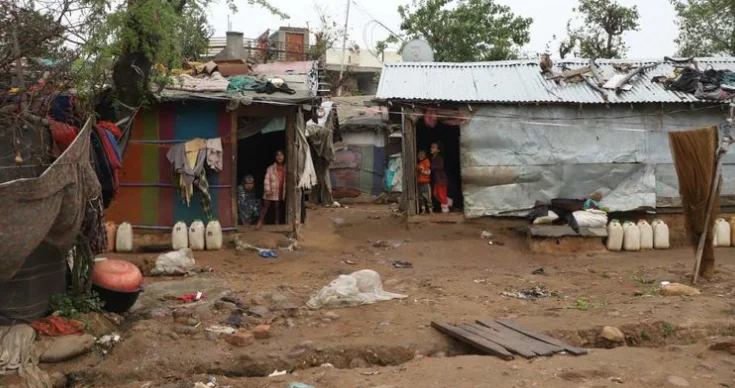
JAMMU, SEPT 16: Private landowners in Jammu have begun asking occupants to vacate houses, shops and other premises that had been rented to Rohingya and Bangladeshi migrants, following notices issued by the district administration as part of an ongoing verification and enforcement exercise.
The administration has initiated action at several locations across Jammu where settlements housing Rohingya and Bangladeshi migrants have been identified. Officials said the exercise is focused, among other things, on properties belonging to private individuals that were reportedly rented out to the migrants.
The move follows a broader administrative exercise examining settlements of Rohingya and Bangladeshi migrants who have been living in parts of Jammu for several years.
In August, a high-level panel examining demographic changes visited a major settlement cluster in the Narwal area of Jammu, where several hundred families were reportedly residing. The visit was conducted as part of an on-the-spot assessment of the settlements and issues related to demographic changes.
As part of the subsequent action, authorities identified house and landowners who had rented out their properties to the migrants. Notices were then issued to property owners, directing them to take steps regarding the occupation of their houses and land within the stipulated period.
“Following the notices issued by the administration, landlords have now asked Rohingya families living as tenants in their houses and shops to vacate the premises,” official sources said.
The development comes amid continued public and political debate over the presence and status of Rohingya migrants in Jammu and other parts of the country.
The issue has also drawn international attention. In June 2026, the United Nations expressed concern over the humanitarian situation of Rohingya refugees in Bangladesh, where around 1.2 million refugees are estimated to be living, and stressed the need for continued international support.
The Jammu administration’s latest exercise is expected to continue as authorities assess properties and settlements covered under the ongoing verification and enforcement measures.